

Scanning Comparison: Slides
Photo slides are one of our favorite formats to scan because they retain vibrant colors and lots of detail. Slides are usually stored in boxes or carousels, which means they’re usually less dirty and damaged than prints from the same era.
Scanning slides requires more specialized equipment than scanning photo prints, but with the right setup you can capture very high quality images. There are so many different ways to scan a slide, so I scanned the same image with a variety of devices ranging from budget-level to museum-grade.
For each sample I’ve included an unedited scan and a 100% screenshot so you can compare the details. At the end of the post I’ll include my conclusions and a download link to all all the original scans so you can compare for yourself.
The Slide
My sample slide for this test is a 35mm color slide of a group of children. I chose this image because it includes vibrant colors, skin tones, and legible text.
The Process
I scanned each image with the bundled software for the device and performed no post-processing (exposure, white balance, sharpening, etc.) other than cropping out the slide mount. I captured each scan at 4,000 PPI (pixels per inch) when I could control that setting. I timed the scanning process from start to finish for each device, but I didn’t include transfer times between phone and computer. When capturing with a mobile app, the whole process will taken even longer than listed below because you’ll want to transfer images from your phone to your computer.
Epson V600
The Epson V600 is one of the most popular flatbed scanners on the market, but in 2025 it was discontinued and it appears that Epson has exited the pro flatbed scanner market. At this point you can only find used or refurbished units, but I decide to include this scanner in my comparison because it’s so popular.
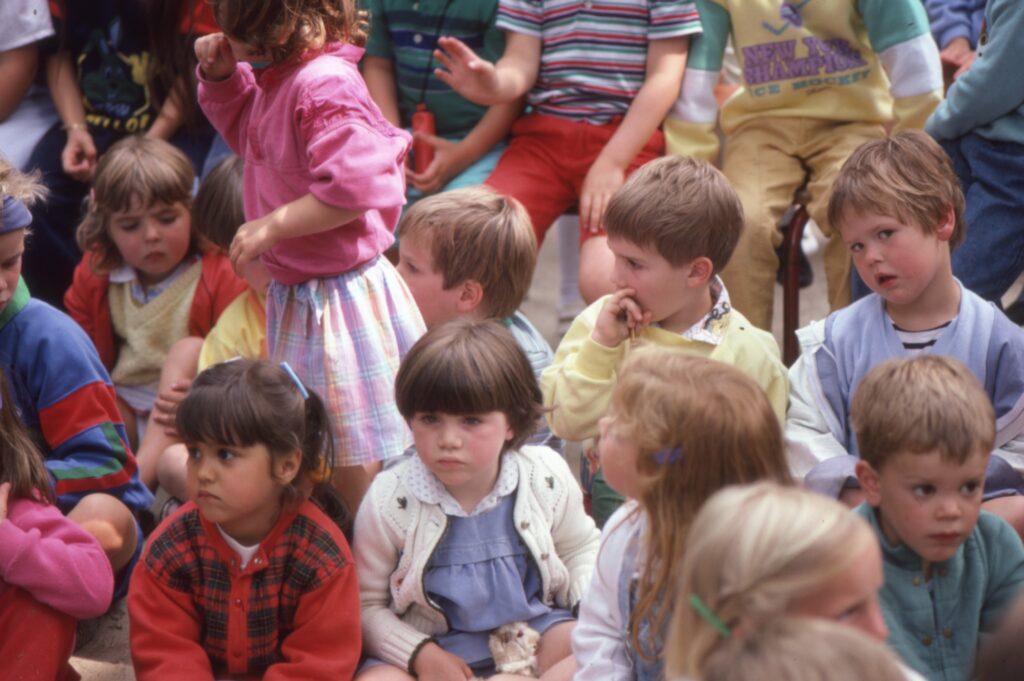
I used the bundled Epson Scan 2 software to generate a preview image. The initial startup and preview process took 90 seconds, but I didn’t include this in the scanning time. When I scanned the actual image, the process took 79 seconds and created a JPEG that’s 3,6400 PPI, 3440×5173 pixels, and 1.2 MB in size.
The image quality is pretty good, but it’s a little soft and missing true blacks in the shadows. I was also surprised that even though I set the Epson software to scan at 4,000 PPI , the effective resolution is almost 10% less than I specified.

Photomyne App
Photomyne is a popular mobile app for iPhone and Android that claims to offer “the world’s best photo scanning apps.” I’ve been scanning photos for decades and understand how tedious this work can be, so the claim that “Photomyne is the fastest and easiest way to turn photos, slides, negatives, and other family keepsakes into a digital library” got my attention.
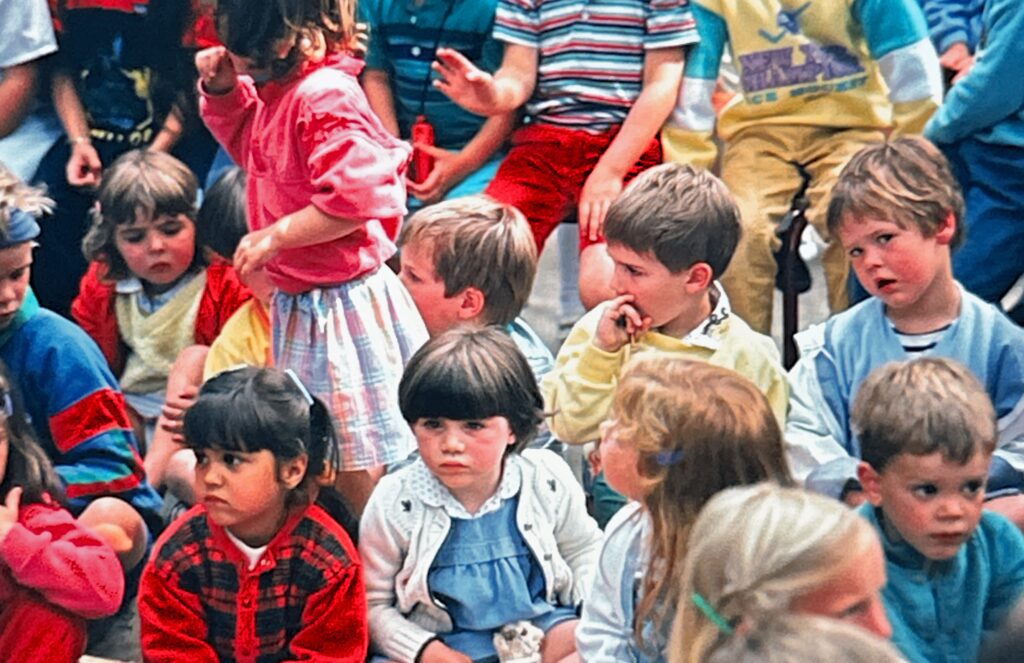
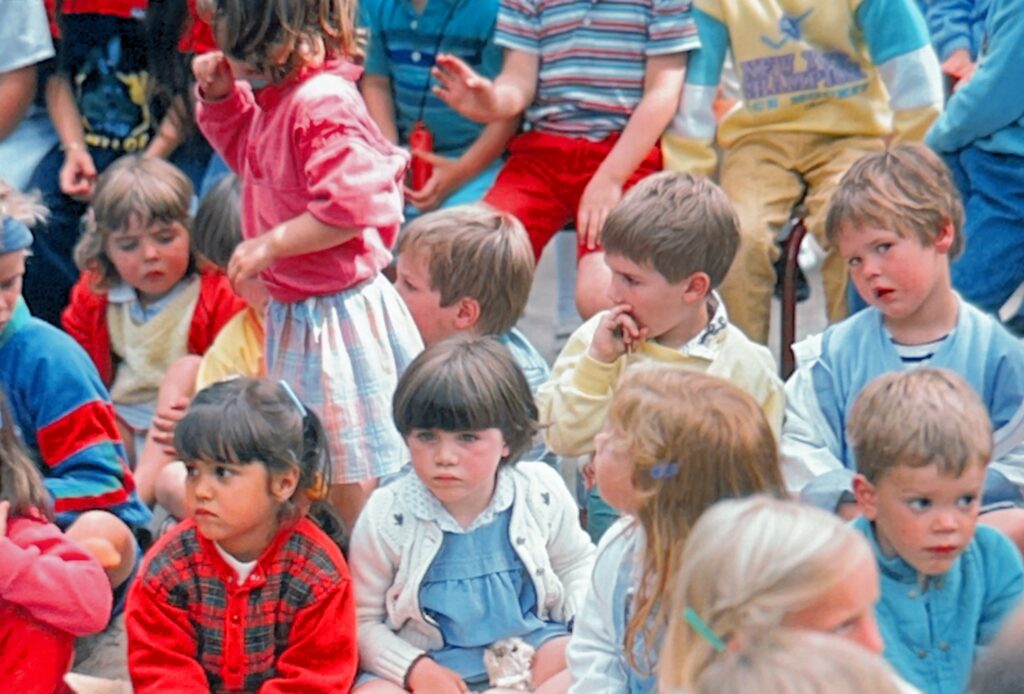
The scanning process only took 5 seconds, but the steps to save the photo to my camera roll and transfer it to my computer took ten more seconds. I scanned the same slide two times but with different light sources. The first light source was a white computer screen as suggested by the Photomyne developer, and the second light source is a professional LED light with a dedicated 35mm slide holder.
The file size, pixel dimensions, and resolution of the two Photomyne images were similar, but both were some of the worst images in the entire test. That said, using a professional light source and slide mount did render a significantly better image than holding the slide in front of my laptop screen.
These images are less than 1MB in files size, about 1700×2500 pixels, and about 1800 PPI in resolution.


Camera App on iPhone 16 Pro
I consider the Photomyne slide scans to be unusable, but wanted to try an iPhone with just the built-in camera app to see if I could get a good image without a dedicated app. Using the professional LED light and slide mount, this capture and crop took six seconds and created a JPEG with pixel dimensions of 2523×3765, a file size of 1.4MB, and a resolution of 2,570 PPI.
The resolution and file size of this image is higher than the Photomyne images, but the image quality is terrible and by far the worst of the test. This shows me that Photomyne is doing some processing to get a better image than just using the Camera app, but I don’t think that camera sensors in current smartphones are capable of capturing a high-quality digital image of a photographic slide.


Kodak Scanza
The Kodak Scanza is what I consider a gadget scanner. Instead of connecting to a computer, this little device digitizes slides and negatives and stores them on an SD memory card that you later transfer to your computer. The device is simple and easy to use, but with very few options or user controls.
I scanned one slide in one second. It was so fast I did it again because I wasn’t sure it worked correctly. In a real world situation it would take several seconds to remove and replace each slide, but the capture time is virtually instant.
The Kodak Scanza created a 4.7 MB JPEG file with pixel dimensions of 3824×5728 and a resolution of 4047 PPI. At first glance the image quality looked pretty good, but further inspection revealed two significant flaws. The default image has a strong blue/cool color cast that is not flattering to skin tones and stands out from all the other images in this test. The second issue is that when viewed at actual size, the digital image has a lot of over-sharpening, over-saturation, compression artifacts, and visible banding where there should be smooth gradients.

Camera Scan with Canon 5DSR
Camera scanning is the process of using digital camera gear to digitize photographic materials. We used a Canon 5DSR digital camera, professional macro lens, copy stand, LED light source, and slide holder.
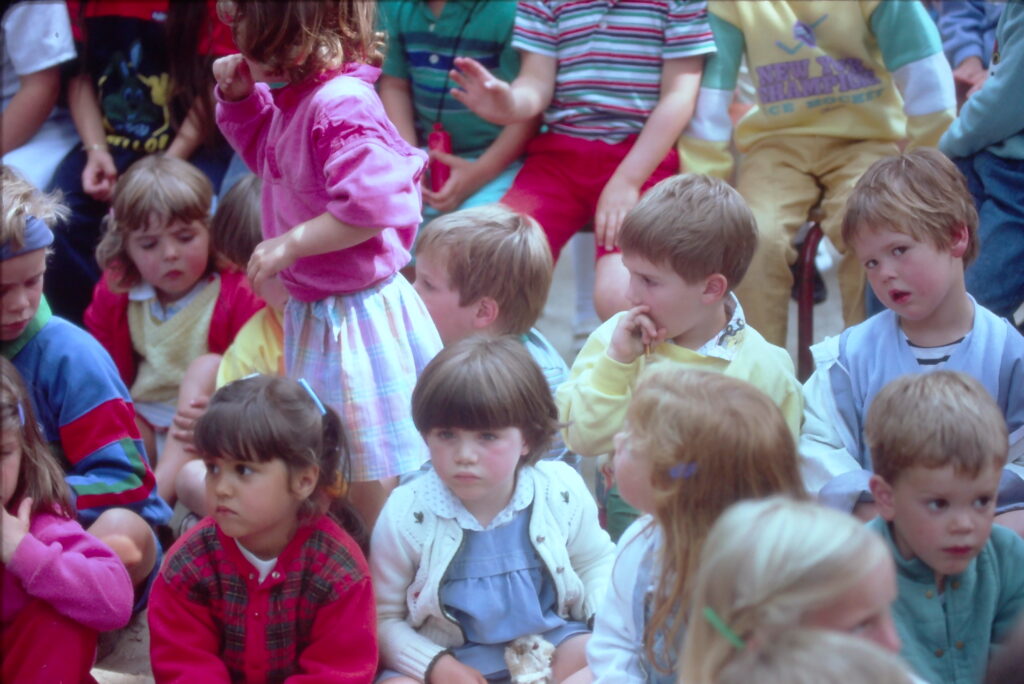
The process of capturing and cropping the image took six seconds and created a JPEG that’s 5128×7653 pixels, 4.7 MB in size, and a resolution of 5,427 PPI. The capture only took 1/60 of a second, but it takes a few seconds to transfer the image from the camera to the computer and then crop the image in Adobe Lightroom Classic. I should note here that 4,000 is the highest usable resolution for scanning most negatives. I achieved 5,400+ PPI in 1/60 of a second, but it’s overkill and a function of the high-resolution cameras we use.
No other post-processing (white balance, exposure, contrast, etc.) was applied to the image and it is definitely the most faithful to the original slide.


Conclusion
I love scanning slides, but it’s a tedious process. Therefore, it’s important to get the best quality with the most efficient process. Here’s a summary table of the slide scanning options I tested:
| Scanning Device/App | Time in seconds | File size in MB | Pixel dimensions | Image resolution |
| Epson V600 | 79 | 1.2 | 3440×5173 | 3640 PPI |
| Camera Scan | 6 | 4.7 | 5128×7653 | 5427 PPI |
| Photomyne screen | 5 | 0.9 | 1729×2669 | 1830 PPI |
| Photomyne LED light | 5 | 0.7 | 1697×2503 | 1796 PPI |
| Kodak Scanza | 1 | 4.6 | 3824×5728 | 4047 PPI |
| iPhone Camera app | 6 | 1.4 | 2523×3765 | 2570 PPI |
I was hoping the iPhone Camera app combined with a good light source and film holder might be a good economy slide scanning option. In reality the results were horrendous. Don’t waste your time.
The images from the Photomyne app were better than the built-in camera app, but they were still terrible. Using a white computer screen rendered a low quality, blotchy image. Using a professional LED light and dedicated slide holder gave better results, but I still think they’re terrible. Don’t waste your times with this either.
The image from the Kodak Scanza wasn’t as bad as I expected, but it suffers from soft focus, blotchy areas, and lots of visible compression artifacts that reduce the image quality. This image also has an obvious blue color cast that’s not flattering on skin tones.
The image from the Epson V600 was pretty good, but the focus is soft and there’s no black in the shadows. Even if I was thrilled with the image quality, the slow scanning speed makes the experience unbearable. Also note this scanner has been discontinued.
Camera scanning requires more expensive equipment and setup, but the digital image is the best of this lineup and most faithful to the original. Camera scanning also offers the flexibility to digitize many sizes and formats with the same equipment. Because of the quality, flexibility, and efficiency of the overall workflow, we exclusively use the camera scanning method in the Chaos to Memories studio. If you want to learn more about camera scanning, we offer an online course called The Practical Guide to Camera Scanning.
Want to see the results for yourself? Download the original scans here.
Interested in working with Chaos to Memories?
If you’re near Chicago and ready to get started to work with a professional photo organizer, come visit our Wheaton Studio Monday – Friday, 10-5. Please bring your memories with you.
If you live outside the Chicagoland area, we’re happy to send you a Project Form and Contract, along with shipping instructions, so you can get started on your project.
Contact us for more information.